Welcome to Curious 21st Learner
Created by Caprice
What do students today need from their teachers in order to be well-rounded citizens in the 21st century? I’m a curious educator seeking to deepen my understanding of the issues surrounding these answers. These posts are a collection of some of my thoughts and findings.
Know Your Learner
Getting to know students is more than just a beginning of the year task. Students come to school each year, not with a blank slate – tabula rasa – but a plate that is full of past experiences, opinions, interests, passions, preferences, and so much more. My philosophy on knowing my learners, is to get a sense of who they are and what motivates them early in the year. Then continue to get to know them as they grow and share more.
This Google Survey is an example of just one way to get familiar with students.
21st Century
We’ve been in the 21st Century for a while now, but it seems impossible to stay up-to-date with all the technology. Preparing a student for their future is a challenge when you don’t know what’s coming next year, let alone the next 20 years. The experts agree on several skills that we can teach students now in order to help them navigate their future careers and lives.
This webpage I developed with my cohort at Moreland University (TEACH-NOW Graduate School) explains some of those important skills.
Project Based Learning
Authentic learning comes from authentic experiences. Using project based learning can be a great culminating event to reward the students for all the skills they’ve acquired and are still growing. It also provides an opportunity for practicing those much needed 21st Century skills.
This Google Site features a framework I developed for a potential Project Based Learning unit with the theme of Community.
Differentiating
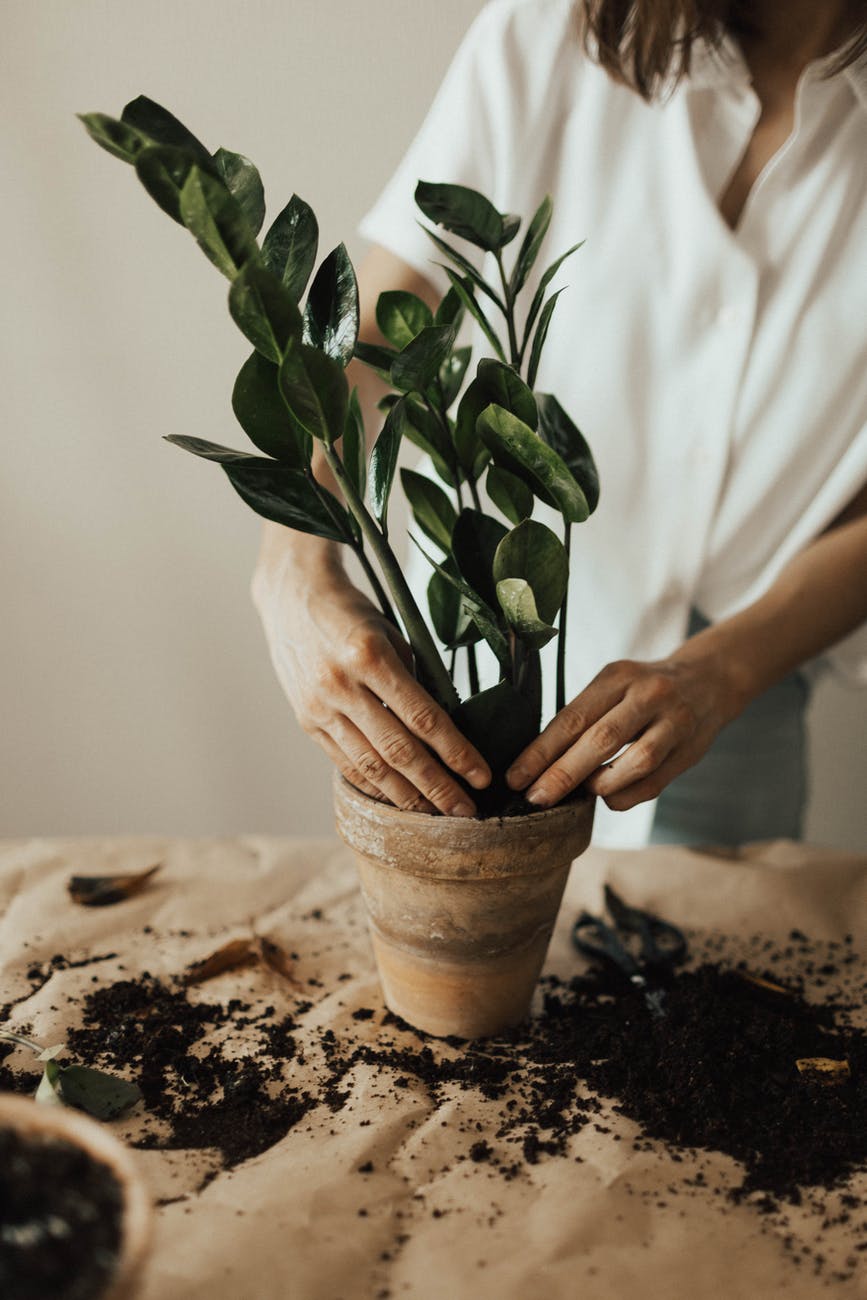
A gardener knows not all plants need the same treatment and environment. Similarly, differentiating is the next level after getting to know your learner. Once you have done your research on the students, how do you best suit your teaching strategies and make accommodations for them? The ASCD (2011) simplifies this in 7 basic components: content, process, product, learning environment, readiness, interests, and learning profile.
The ASCD (2015) also has a helpful infographic on what is and what is not differentiation.
Assessment
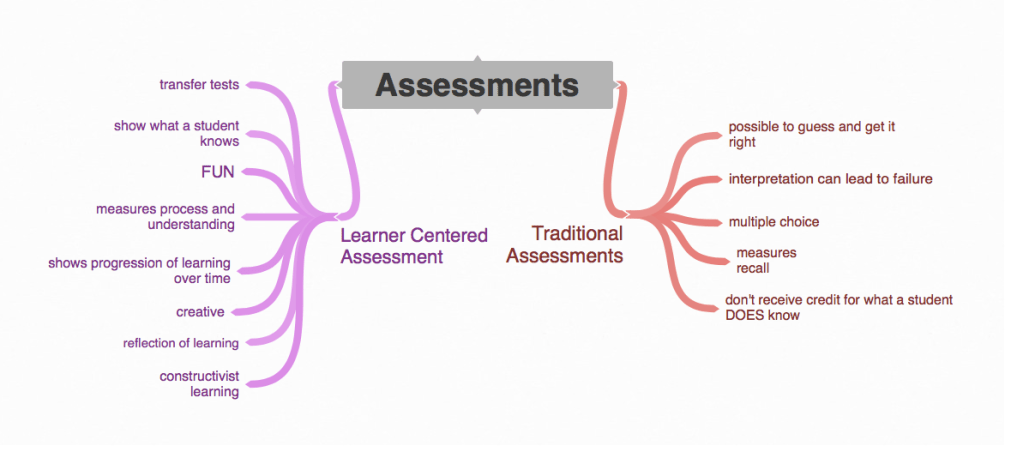
Assessing is more than just taking a test and giving a grade. It’s about showing understanding, growth from where the student started, and guidance on a student’s learning. Tools such as self-assessment, peer assessment, and formative assessment are all important in a student-centered classroom. I created this mind map (also shown above) to compare traditional assessments versus learner centered assessments.
Environment & Class Culture
A classroom can be a space for safe communication and creativity. The teacher is the driving force of the class culture in regards to rituals, expectations, spaces, respect, and cohesiveness. These are all important factors in a student’s learning. Student achievement is related to their environment. The student centered arrangement of seats, natural light, free flow of movement, elements of nature, various work spaces, and collaboration areas are all part of the essential needs of a comfortable, safe environment that can enable high levels of achievement and bring a sense of calm and safety to the students.

Planning for Learning Objectives
Lesson planning may be a tedious task for teachers, but it provides a quiet, reflective time for planning a lesson which takes into consideration the important elements of a lesson. The curriculum gives the teacher learning objectives that are important for students’ current and future learning challenges. The time for considering all the different types of learners and what materials are on hand or needed is during the planning phase. Incorporating all the right technology, communicating and collaborating with other professionals that will be part of the lesson, thinking about pacing of the lesson and how it incorporates into the bigger picture. Making a backwards plan is one simple way of making lessons. Much like an architect creates a space for the purpose and space, a teacher creates lessons that are right for the students and learning objectives.
In this lesson plan I have modified from an older Powerpoint based lesson, I try to incorporate technology to hit the right balance of student needs and learning objectives.
Contact
I am happy to hear from other education professionals who strive to inspire and prepare students for tomorrow.
 Curious21stLearner
